Local Tamang people and cultural architecture
Langtang & Central Region

Tamang Heritage Trail Grand Circuit

Difficulty Moderate
Duration 9 Days
Max. Altitude 3,165m
Best Season Spring & Autumn
Lodging & Meals Teahouse / Homestay

Tamang Heritage Trail Grand Circuit

The Tamang Heritage Trail grand circuit combined with Langtang, Tserko Ri (4,984 m) and Helambu Valley via Gosaikund

The Tamang Heritage Trail combined with the Langtang trek and the ascent of Tserko Ri is an exceptional experience which allows you to discover both the cultural richness of the Tamang people, the spectacular landscapes of the Langtang valley, as well as the sacred lakes of Gosaikund.

The Tamang Heritage Trail is located northwest of Kathmandu. This trek can be organized in combination with the Langtang Valley, with accommodation in a lodge or homestay, thus offering an authentic immersion.

The valley offers a great diversity of landscapes: pine forests, fast mountain rivers, rocky terrain, snow-capped peaks, green meadows and fields dotted with wildflowers like daisies and primroses. This is a circuit of moderate difficulty. The inhabitants, mainly Buddhists, live from agriculture and trade with Tibet. The Tibetan influence is very present: Tamang women wear magnificent precious stone jewelry and colorful clothing reminiscent of Tibetan culture.

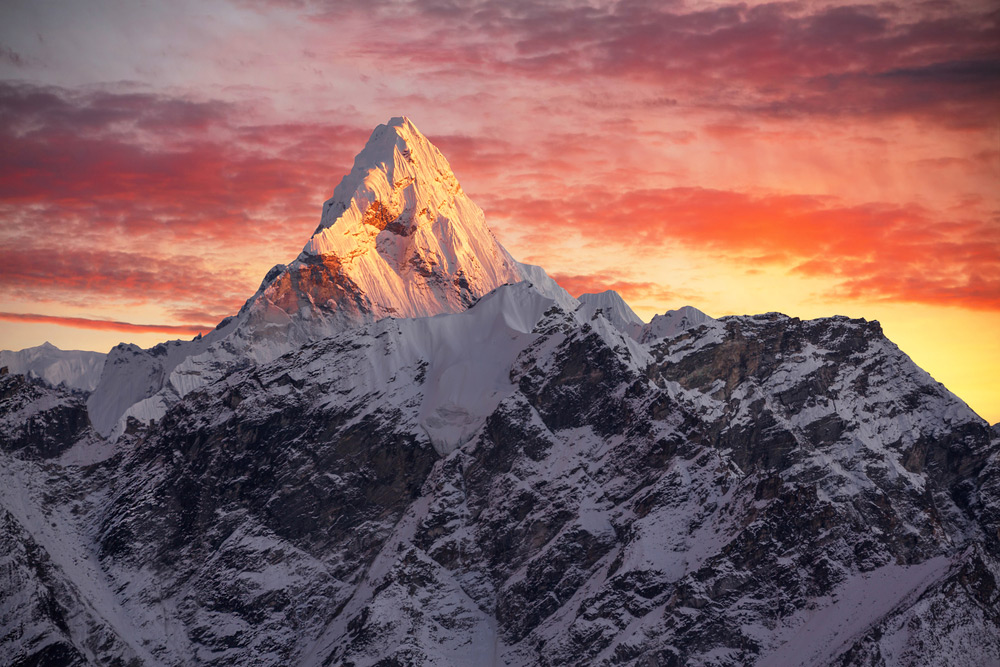
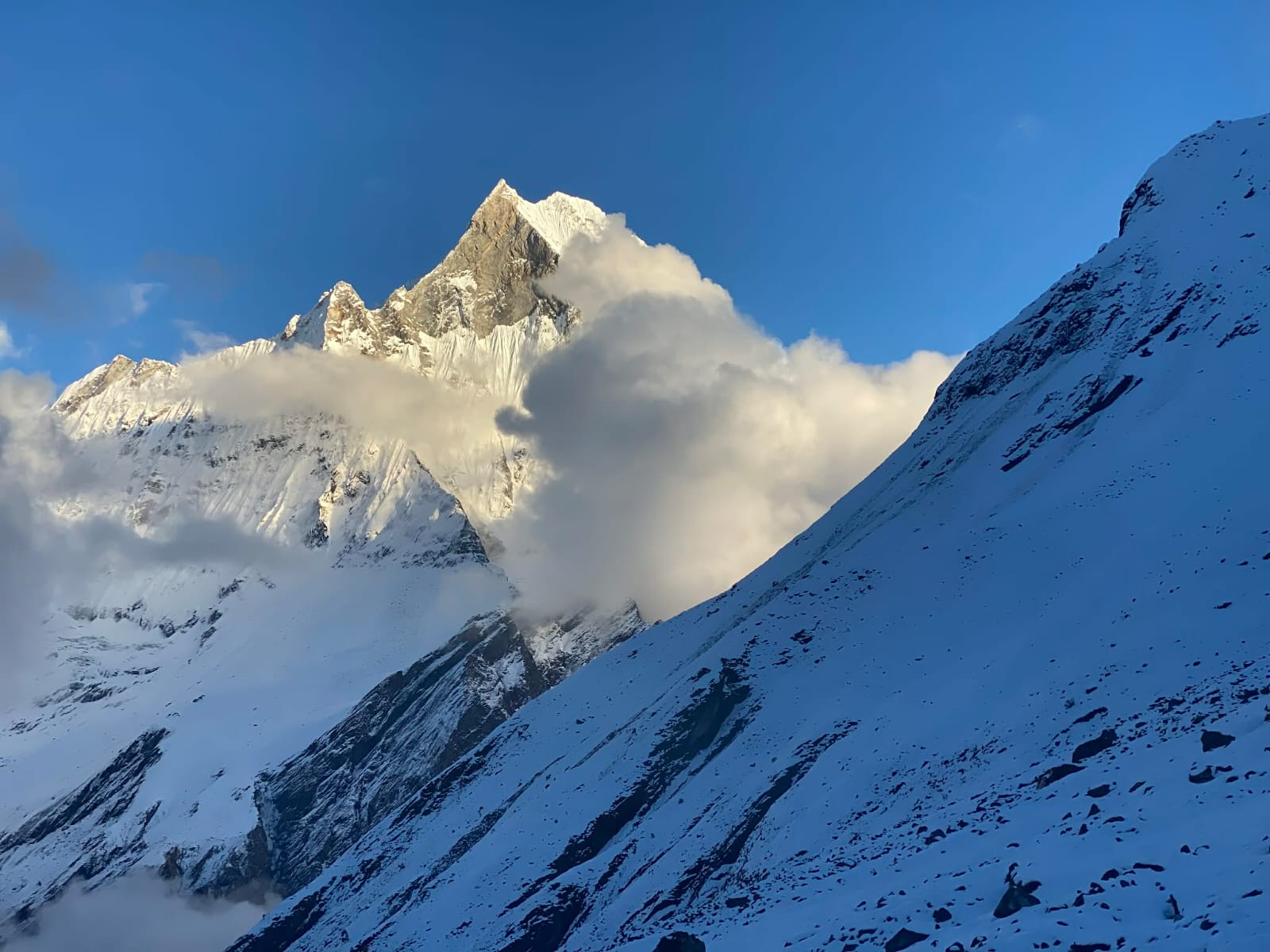
In spring, in March and April, the forests are adorned with red thanks to rhododendrons, Nepal's national flower. The trek also offers majestic views of the Langtang and Ganesh Himal massifs. The region is also a true sanctuary for wildlife, including leopards, red pandas and musk deer.

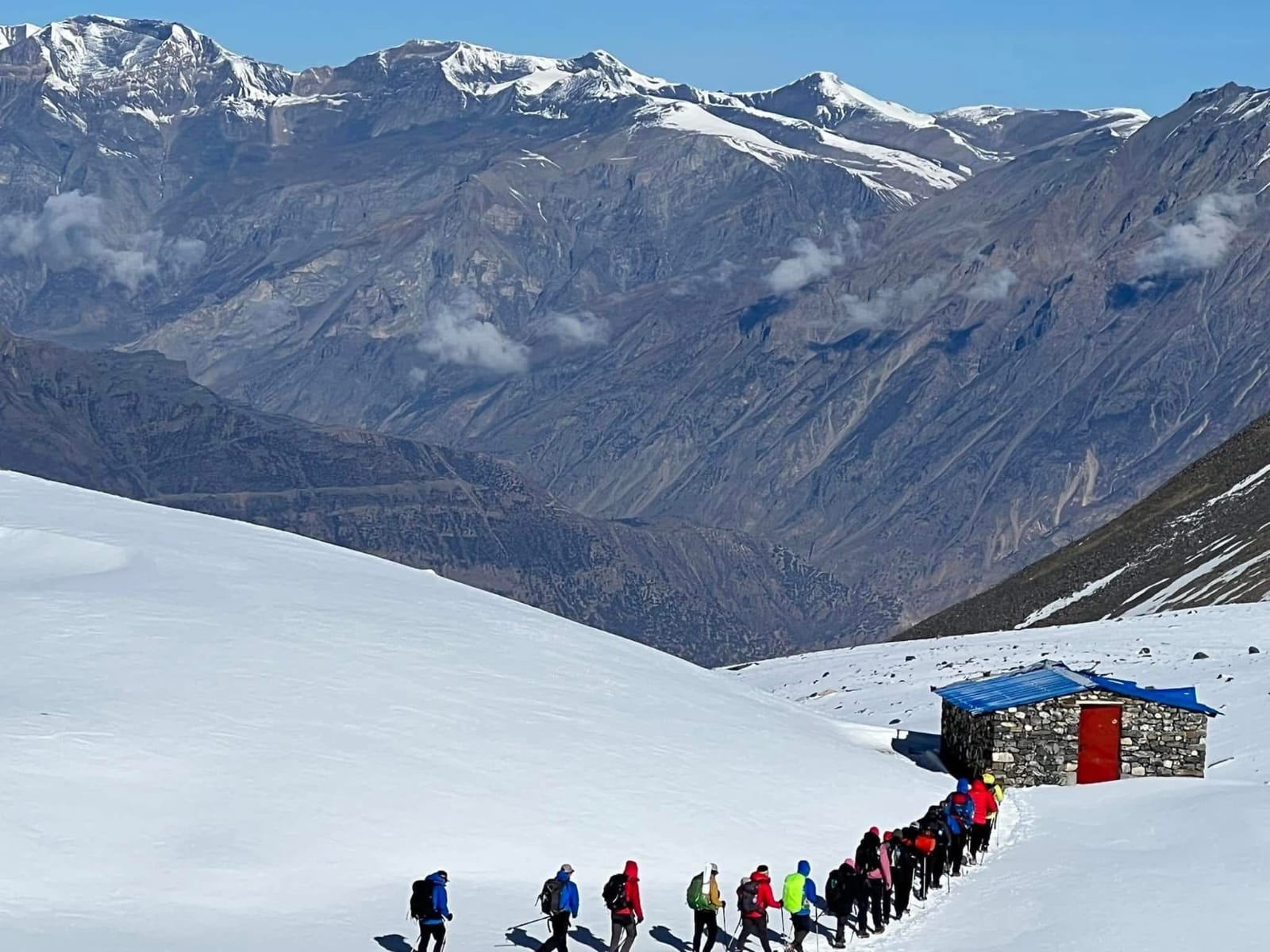
The route leads to the Langtang valley with an ascent of Tserko Ri (4,984 m). On the way back, you reach the sacred lakes of Gosaikund and cross the Gosaikund Pass (4,610 m). This route involves a rapid rise in altitude and offers a wide variety of natural landscapes, flora and fauna. You will also have the opportunity to taste local yak cheese.

Tamang Heritage Trail

Trail Logs & Itinerary

1
Trekking Day Max Elev: 3,165m

Reception at the airport and transfer to the hotel. Accommodation: Hotel Meals: Free Maximum altitude: 1340 m

2
Trekking Day Max Elev: 3,165m

After breakfast, departure north through magnificent landscapes of hills and ridges to Syabrubesi via Dhunche. As you walk along the Trishuli River, you will see the Ganesh Himal, agri

3
Trekking Day Max Elev: 3,165m

Steep climb through the terraces to Chaurhattar. Breathtaking view of Ganesh Himal and Langtang Lirung. Cultural discovery in Goljung and Gatlang, Tamang village with monastery and Parvatikunda lake. Accommo

4
Trekking Day Max Elev: 3,165m

Descent to Chilime Khola, crossing a suspension bridge then ascent to Tatopani. Enjoy the natural hot springs known for their therapeutic properties. Accommodation: Lodge Meals: BLD

5
Trekking Day Max Elev: 3,165m

Ascent through rhododendron and pine forests. Panoramic view of Langtang, Ganesh Himal and other ranges. Thuman is known for its culture and shamanic rituals. Accommodation: Lodge Meals: B

6
Trekking Day Max Elev: 3,165m

Descent to Bhote Koshi then crossing subtropical forests. Briddim is a typical Tibetan Buddhist village with homestay experience possibility. Accommodation: Lodge Meals: BLD

7
Trekking Day Max Elev: 3,165m

Hike through hills, forests and terraced fields. Splendid view of the mountains. Accommodation: Lodge Meals: BLD

8
Trekking Day Max Elev: 3,165m

Descent to Lama Hotel then gradual climb through dense forests to the alpine zone. Accommodation: Lodge Meals: BLD

9
Trekking Day Max Elev: 3,165m

Passage through Tibetan villages, prayer wheels and yak pastures to Kyanjing Gompa, famous for its yak cheese. Accommodation: Lodge Meals: BLD

10
Trekking Day Max Elev: 3,165m

Morning ascent with picnic to admire an exceptional panoramic view of the snow-capped peaks. Return to Kyanjing. Accommodation: Lodge Meals: BLD

11
Trekking Day Max Elev: 3,165m

Descent through the forests following the river. Accommodation: Lodge Meals: BLD

12
Trekking Day Max Elev: 3,165m

Walk in the forest then steep climb to the village with a view of Langtang and Ganesh Himal. Accommodation: Lodge Meals: BLD

13
Trekking Day Max Elev: 3,165m

Climb through stone stairs, forests and pastures with spectacular views of the Himalayan ranges. Accommodation: Lodge Meals: BLD

14
Trekking Day Max Elev: 3,165m

Ascent to Laurebinayak then arrival at the sacred lakes of Gosaikund, an important pilgrimage site. Accommodation: Lodge Meals: BLD

15
Trekking Day Max Elev: 3,165m

Crossing the Gosaikund pass then technical descent to Gopte. Accommodation: Lodge Meals: BLD

16
Trekking Day Max Elev: 3,165m

Hilly path through forests and moraines to Tharepati then descent to Melamchi Gaon. Accommodation: Lodge Meals: BLD

17
Trekking Day Max Elev: 3,165m

Descent, river crossing then ascent to traditional Sherpa villages. Accommodation: Lodge Meals: BLD

18
Trekking Day Max Elev: 3,165m

Last descent to Melamchi Pul Bazaar then return to Kathmandu by vehicle. Accommodation: Hotel Meals: BL

19
Trekking Day Max Elev: 3,165m

Shopping and relaxation. Accommodation: Hotel Meals: B

20
Trekking Day Max Elev: 3,165m

Transfer to the airport according to your flight. Meal: B

Inclusions

  • Transfers: reception and airport/hotel transfer by private car, Kathmandu – Syabrubesi trip by collective jeep/bus, and return Melamchipool – Kathmandu by reserved private jeep
  • Full board during the trek with accommodation in lodges in twin rooms (meals chosen from the menu: breakfast, lunch, dinner, tea and coffee – excluding other drinks)
  • Professional, experienced, government-licensed, French-speaking trekking guide
  • Langtang National Park permit and TIMS card (2 ID photos required)
  • 2 nights hotel in Kathmandu
  • 1 carrier for 2 people (maximum load: 20–25 kg)
  • Welcome dinner

Exclusions

  • Meals in Kathmandu (around €10 to €15 per day per person)
  • Visa fees for Nepal (obtained easily on arrival at Kathmandu airport – 1 passport photo required)
  • International flights and airport taxes
  • Entrance fees for historical sites and monuments in Kathmandu
  • Drinks (alcoholic or not) and drinks at the bar
  • Personal trekking equipment, travel and medical insurance, emergency evacuation costs (helicopter), personal expenses
  • Expenses linked to unforeseen events (weather conditions, road blockages, accidents, etc.)
  • Tips and gratuities

Frequently Asked Questions

The best seasons for trekking in Nepal are spring (March to May) and autumn (September to November). The weather is generally dry, the skies are clear and daytime temperatures are pleasant for walking, offering spectacular views of the Himalayas.
Good physical fitness is recommended. You must be able to walk between 5 and 7 hours per day over mountainous and sometimes steep terrain. We advise you to practice cardio activities (running, hiking, cycling) a few weeks before your departure.
Our itineraries include gradual acclimatization days to minimize risks. Our guides are trained to detect the symptoms of AMS. In the event of persistent or severe symptoms, the guide will immediately arrange descent to a lower altitude and coordinate an emergency evacuation by helicopter if necessary.
Accommodation is in 'teahouses' (small local mountain refuges). The rooms are simple and shared, with two single beds. Meals are prepared on site and feature energetic local cuisine like Dal Bhat (rice, lentil and vegetable soup), as well as Western dishes (pasta, soups, eggs, bread).
Yes, it is strictly obligatory to take out travel insurance covering high altitude trekking (up to the maximum height of your route) as well as search, rescue and emergency medical evacuation costs by helicopter.
To protect the fragile Himalayan environment, we discourage the purchase of single-use plastic water bottles. We recommend bringing reusable water bottles and using water purification tablets (like Aquatabs) or a portable filter. You can also buy safe boiled water at teahouses.
The mobile network (Ncell and NTC) works correctly in the lower valleys but becomes weak or non-existent at high altitudes. Most teahouses offer paid satellite Wi-Fi (around $2-$5 per day), but the speed can be slow and unstable depending on weather conditions.