Traditional houses in Sikles village
Annapurna Region

Sikles Trek

Difficulty Moderate
Duration 7 Days
Max. Altitude 1,980m
Best Season Spring & Autumn
Lodging & Meals Teahouse

Sikles

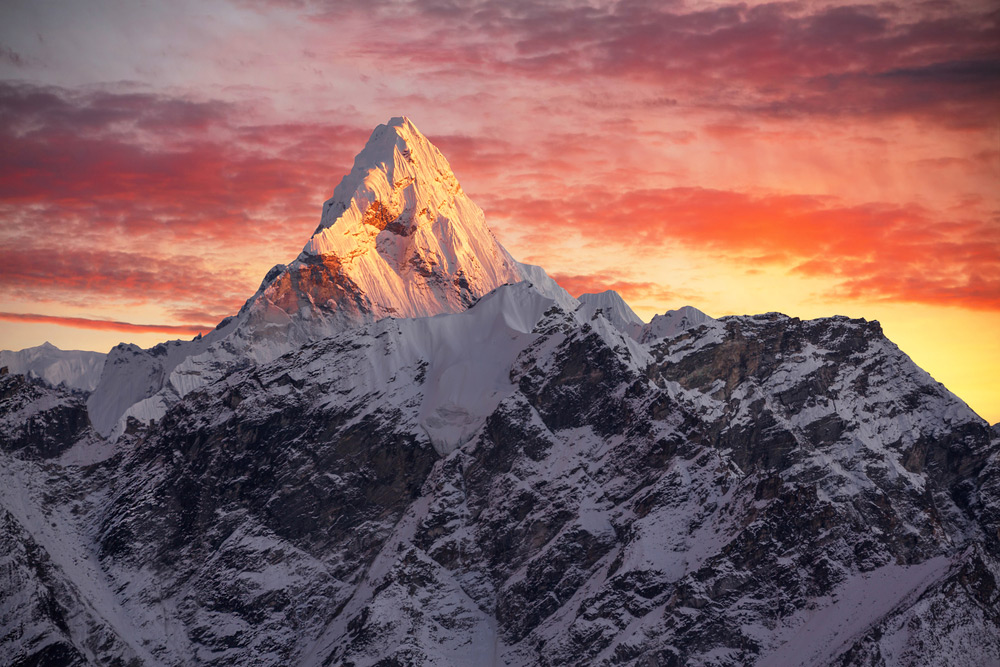
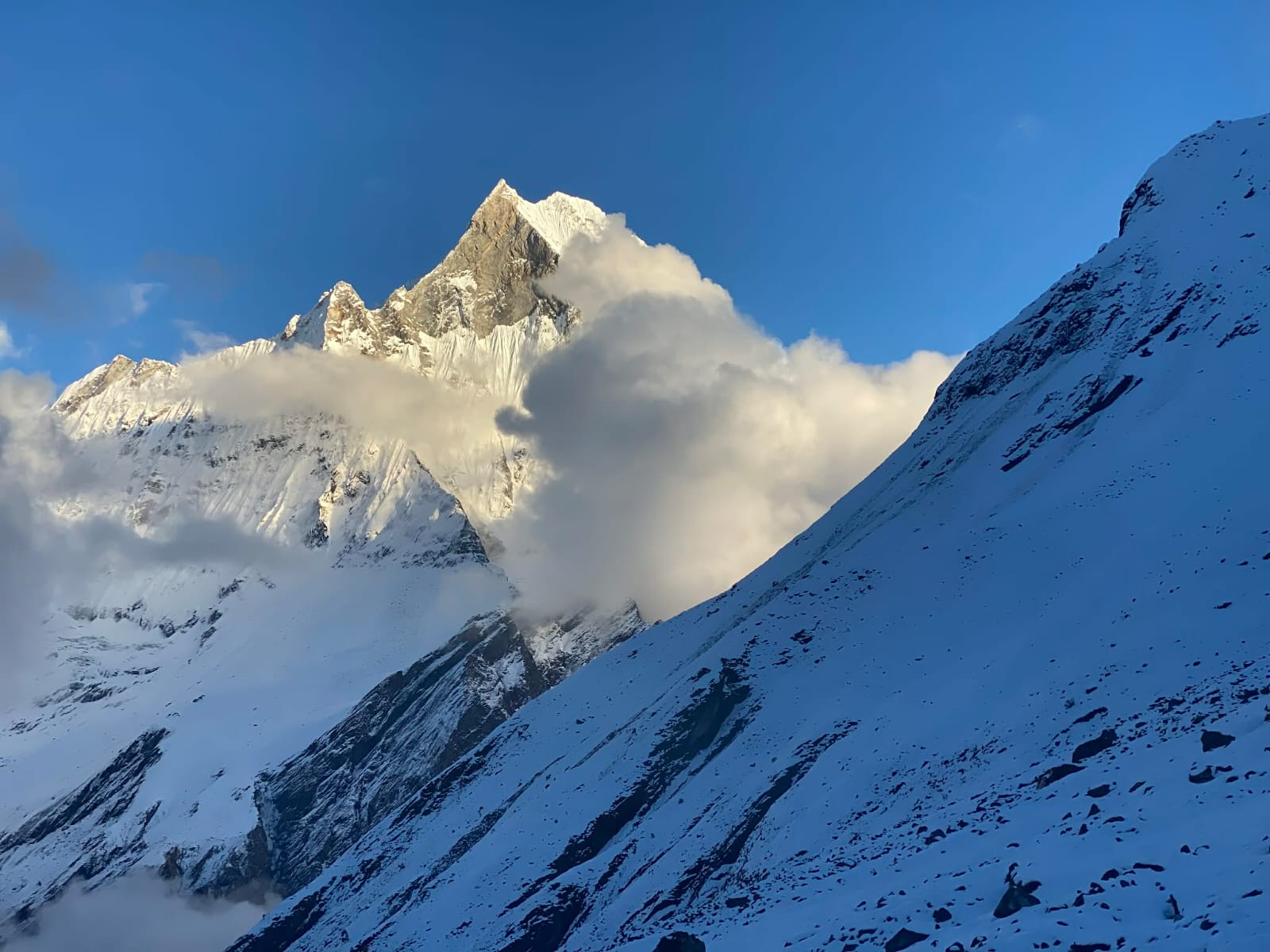
The Sikles Trek, often referred to as the Royal Trek alternative, is a relatively uncrowded and culturally rich journey in the Annapurna region. Sikles is one of the largest and most well-preserved Gurung villages in Nepal, offering an authentic glimpse into the traditional lifestyle, architecture, and customs of the Gurung people, many of whom serve as Gurkha soldiers. The trail winds through rhododendron forests, terraced fields, and offers spectacular, close-up views of Annapurna II, Lamjung Himal, and Machhapuchhre. This moderate trek is perfect for those seeking cultural immersion combined with stunning Himalayan scenery, without the high altitudes or intense physical demands of longer routes.

Sikles Trek
Sikles Trek
Signature Experiences

Expedition Highlights

01

Explore Sikles, one of the largest and oldest traditional Gurung villages in Nepal.

02

Enjoy magnificent, up-close views of Annapurna II, Lamjung Himal, and Machhapuchhre.

03

Experience authentic local culture through homestays and community interactions.

04

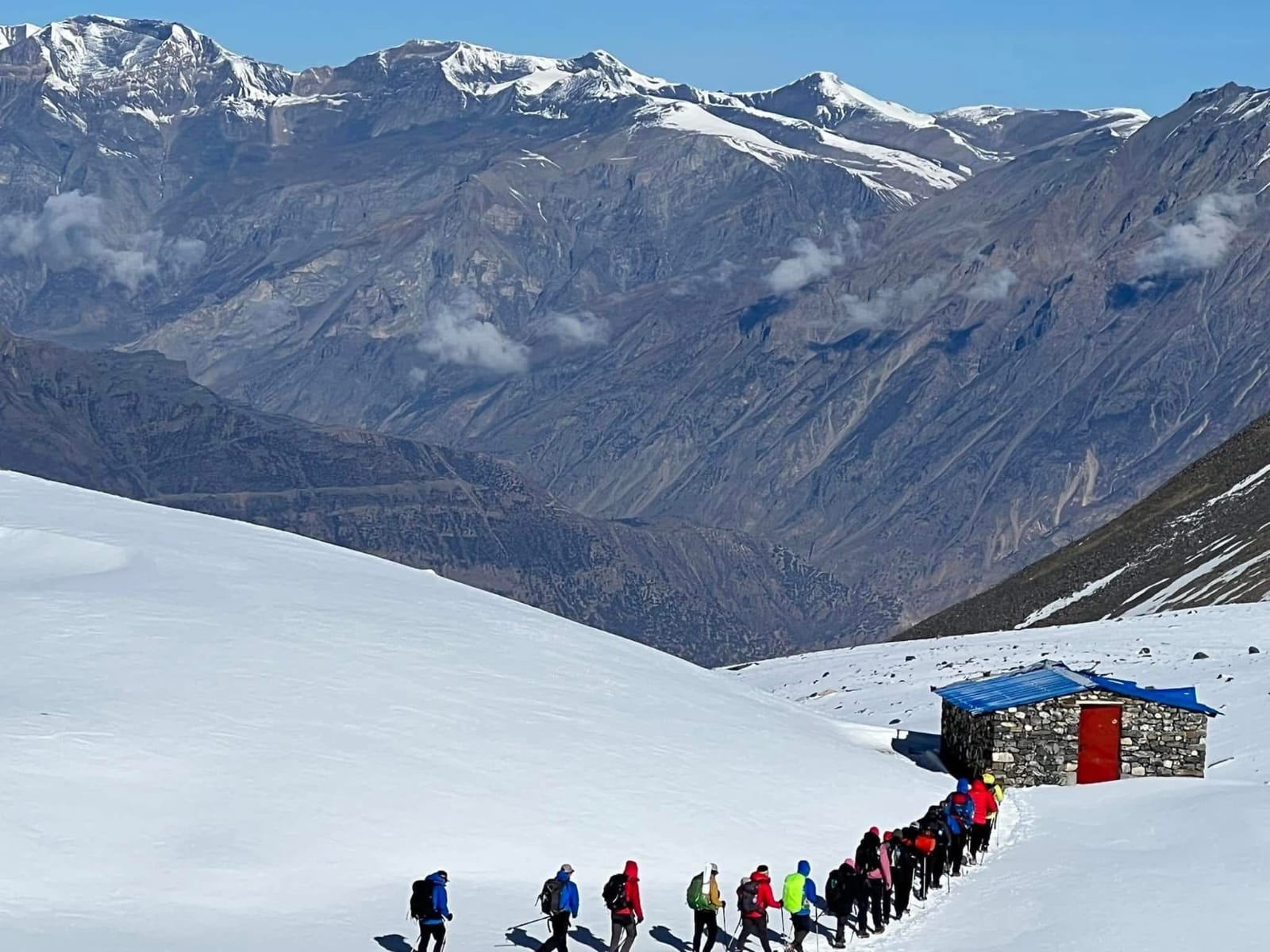
Trek along less crowded, pristine trails through lush forests and terraced hillsides.

05

Learn about the heritage of the legendary Gurkha soldiers in their homeland.

Trail Logs & Itinerary

1
Trekking Day Max Elev: 1,980m

Short drive to Milan Chowk and trek along the Seti River to Kharpani. We embark on a scenic journey today, taking either a spectacular domestic flight or a drive along winding mountain roads, passing lush terraced fields, fast-flowing rivers, and traditional hillside villages. The changing scenery guides us closer to the starting point of our trek in the heart of the Himalayas.

2
Trekking Day Max Elev: 1,980m

Ascend gently through small settlements and forests to the village of Ghalel.

3
Trekking Day Max Elev: 1,980m

Trek to the sprawling Gurung village of Sikles, known for its rich culture and history.

4
Trekking Day Max Elev: 1,980m

Wander through Sikles and hike up to Tara Hill Top for panoramic mountain views.

5
Trekking Day Max Elev: 1,980m

Descend through terraced fields and forests down to Lamakhet.

6
Trekking Day Max Elev: 1,980m

Walk along the river valley and gradually ascend to Kalikasthan.

7
Trekking Day Max Elev: 1,980m

Final descent to beautiful Begnas Lake, followed by a short drive back to Pokhara. We embark on a scenic journey today, taking either a spectacular domestic flight or a drive along winding mountain roads, passing lush terraced fields, fast-flowing rivers, and traditional hillside villages. The changing scenery guides us closer to the starting point of our trek in the heart of the Himalayas.

Inclusions

  • Airport pick-up and drop-off in a private vehicle.
  • Standard teahouse/lodge accommodation during the trek.
  • All meals (Breakfast, Lunch, Dinner) during the trek.
  • An experienced, English-speaking, and government-licensed trekking guide.
  • Porter service (1 porter for every 2 trekkers).
  • All necessary paperwork and trekking permits (TIMS, National Park Fees).
  • A comprehensive medical kit carried by the guide.
  • Farewell dinner in Kathmandu to celebrate the successful trek.

Exclusions

  • International flight airfare.
  • Nepal entry visa fee (obtainable on arrival at Kathmandu airport).
  • Travel and rescue insurance (mandatory).
  • Personal expenses (phone calls, laundry, bar bills, battery recharge, extra porters).
  • Tips for guide and porters (customary but not mandatory).

Frequently Asked Questions

Yes. Unlike popular regions like Everest or Annapurna, remote regions (like Manaslu, Dolpo, or Kanchenjunga) have simpler teahouses or require camping. Facilities are basic, featuring shared squat toilets and limited hot water.
Many remote borders require Restricted Area Permits (RAPs) and must be hiked with a registered guide and a minimum of two trekkers. Our agency handles all permit processing for you.
Charging is mostly solar-powered and available at lower teahouses for a fee. Wi-Fi is rare or non-existent in remote villages. We recommend bringing a high-capacity power bank and a local SIM card.
The trails are less developed, more rugged, and see very few tourists. You should expect steep ascents, high mountain passes (like Larkya La at 5,106m), and long walking days over challenging terrain.
Since there are absolutely no ATMs in remote regions, you must withdraw sufficient cash in Nepalese Rupees in Kathmandu. We recommend budgeting at least 2,500 Rupees ($20 USD) per day for personal expenses.
You should pack high-quality gear: a warm sleeping bag (rated to -15°C), broken-in trekking boots, thermal layers, water purification tools, basic toiletries, and a small personal first-aid kit with altitude medication.