Lower Dolpo Trek
Remote & Off-Beaten Region

Lower Dolpo Trek

Difficulty Strenuous
Duration 18 Days
Max. Altitude 5,308m
Best Season Spring & Autumn
Lodging & Meals Tea House / Camping

Lower Dolpo

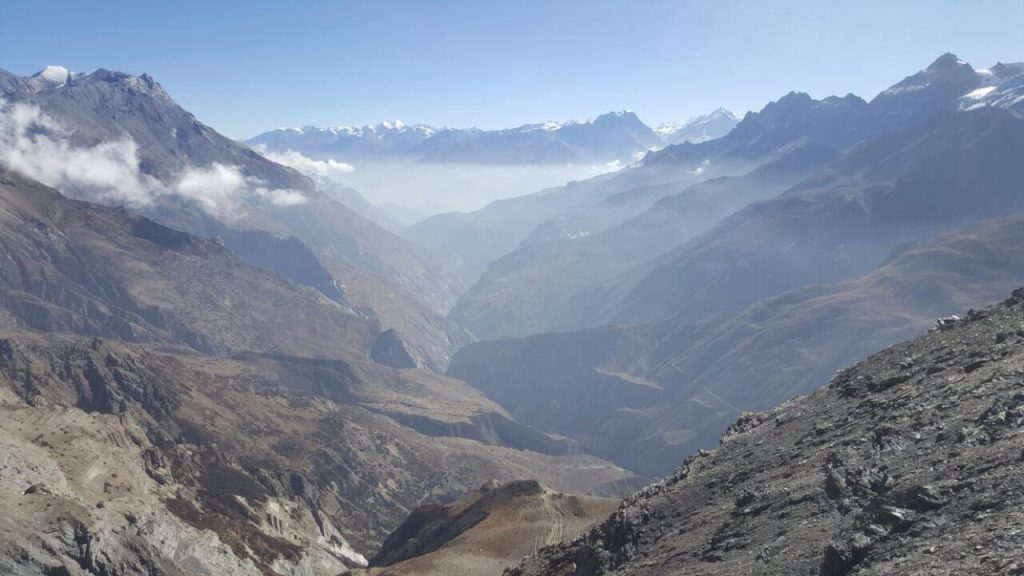
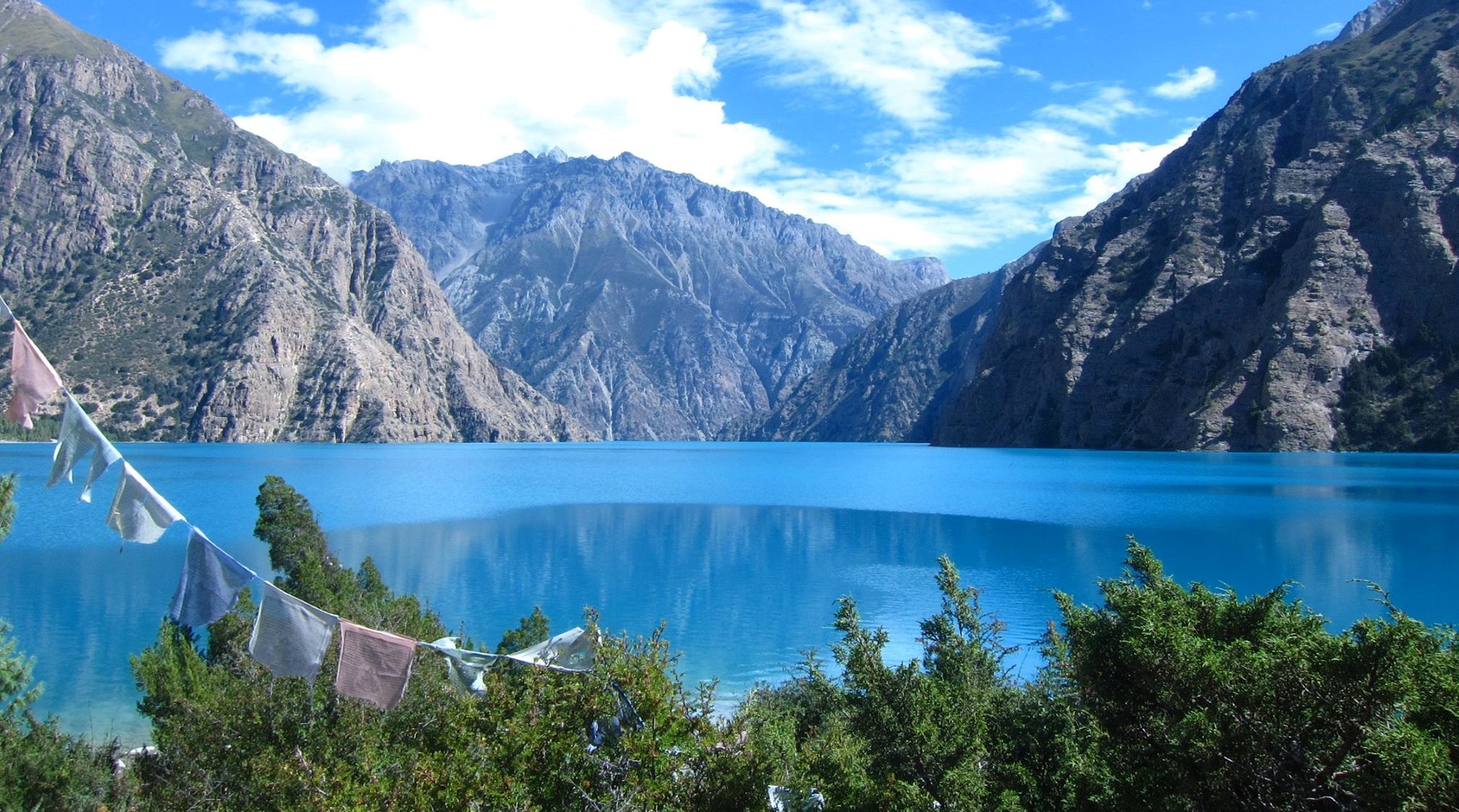
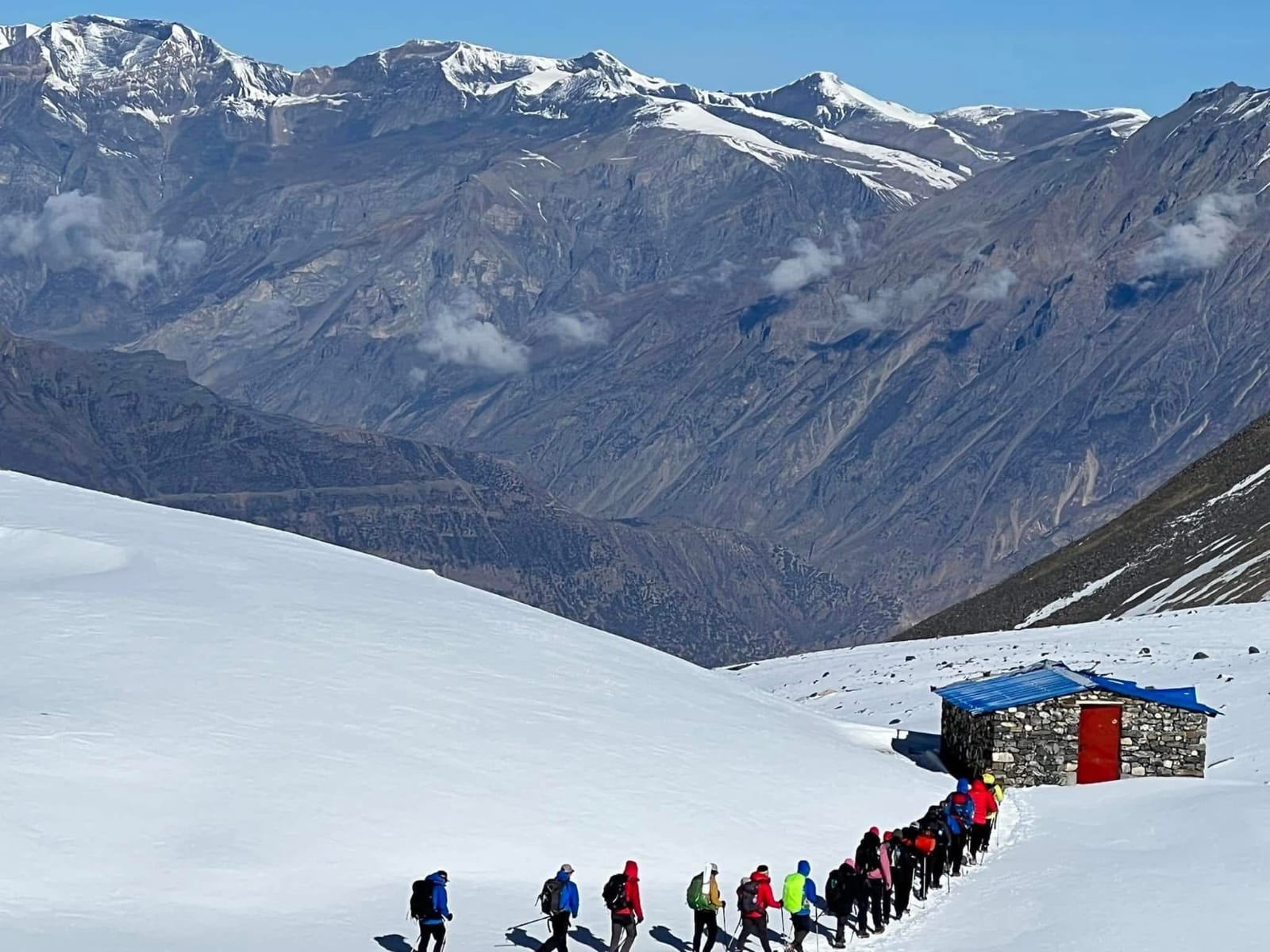
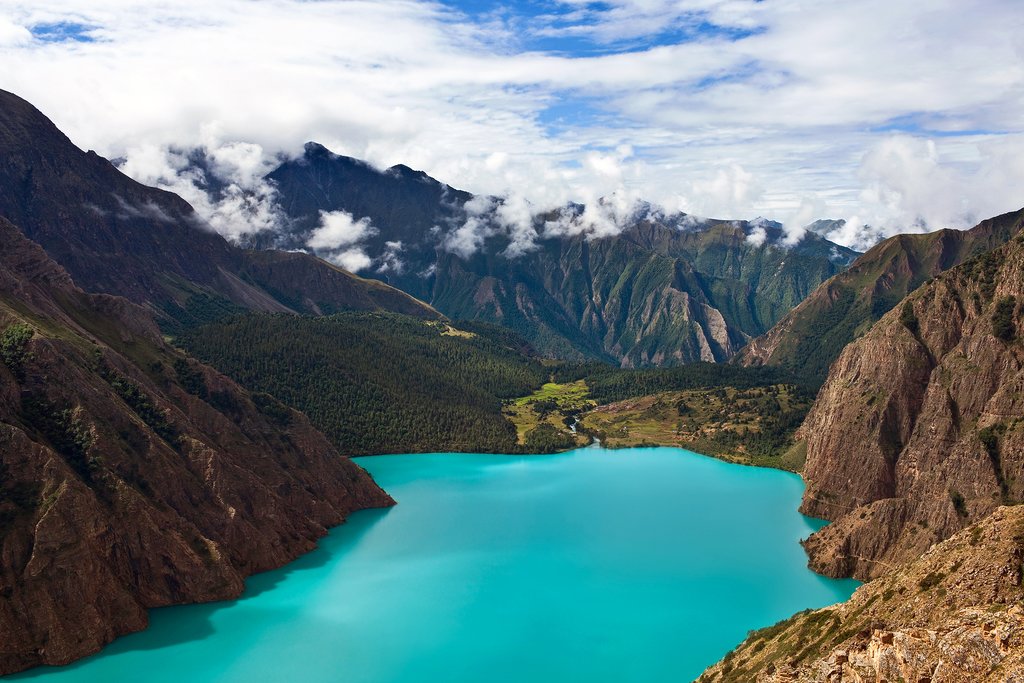
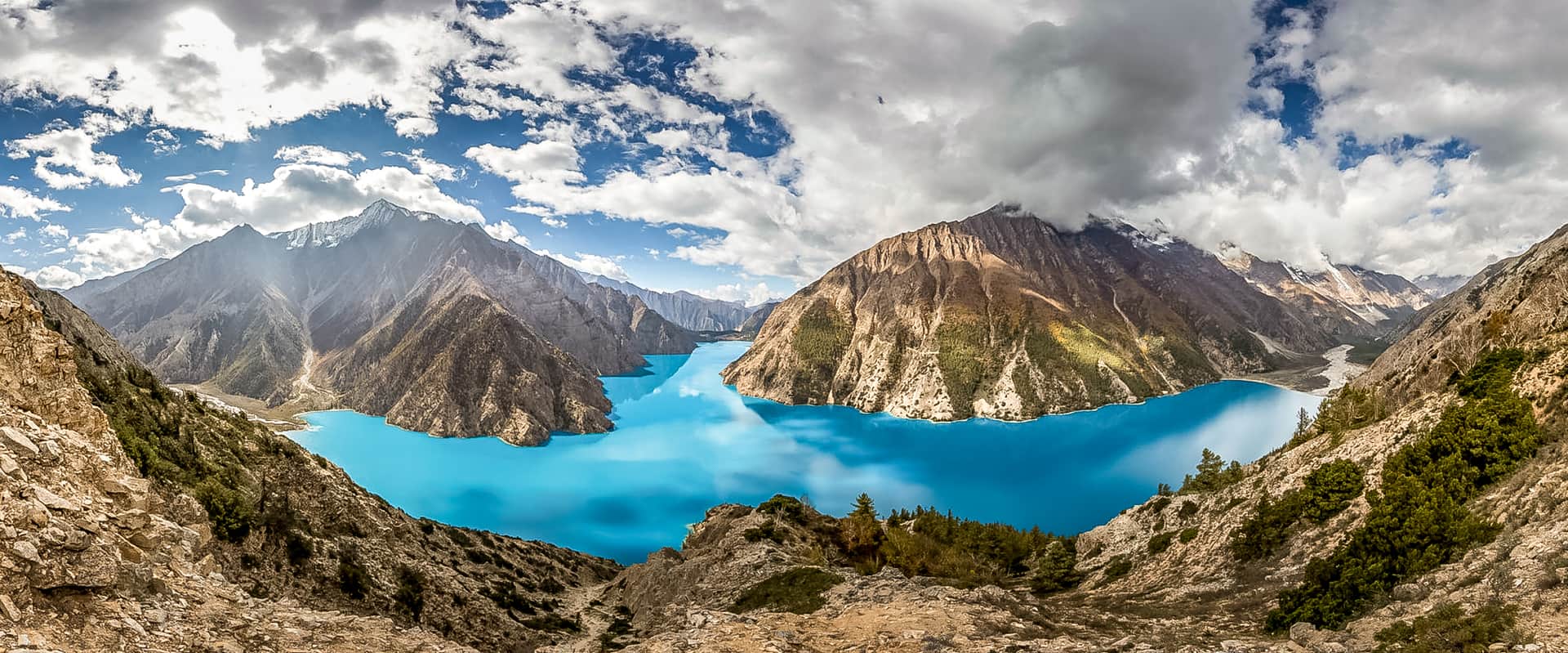
The Lower Dolpo Trek takes you into the heart of the remote mid-western region of Nepal. Located within the Shey Phoksundo National Park, this trek offers a rare glimpse into a culture that has remained virtually untouched by modern civilization. The region is predominantly inhabited by people practicing the Bon religion, pre-dating Buddhism in Tibet. The trail passes through stunning landscapes, deep gorges, and crosses high passes like Numa La (5,308m) and Baga La (5,169m). The highlight of the trek is the mesmerizing turquoise waters of Phoksundo Lake. This is a strenuous trek requiring good physical fitness, but the pristine natural beauty and unique cultural experience make it immensely rewarding.
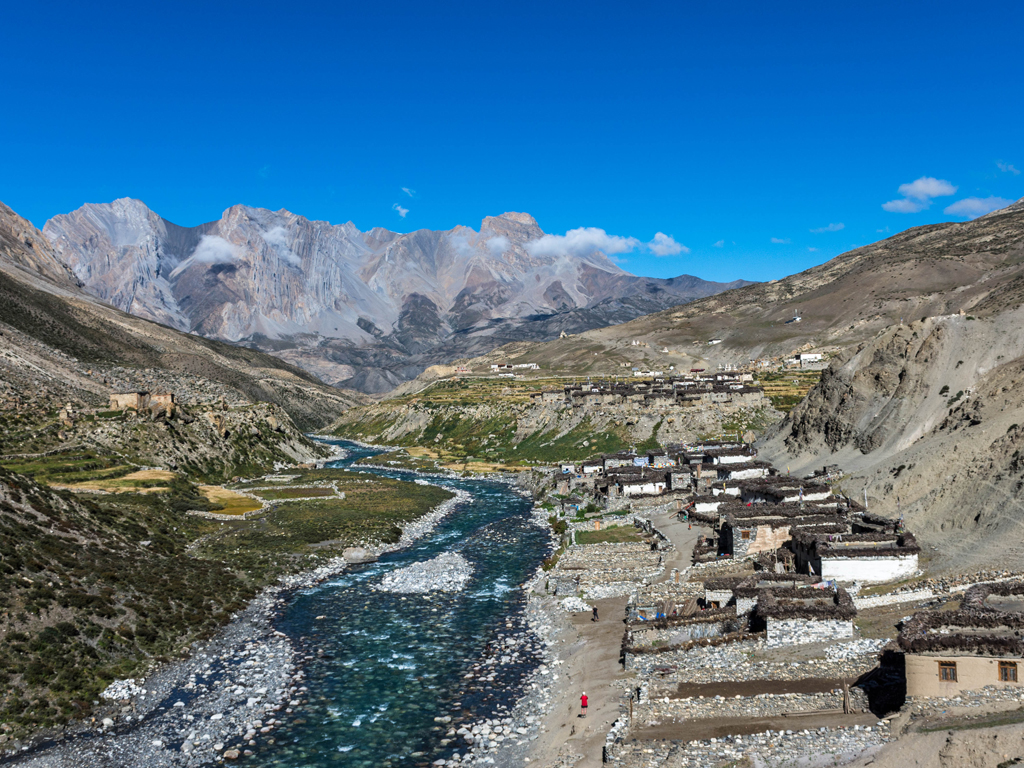
Lower Dolpo Trek landscape view
Signature Experiences

Expedition Highlights

01

Visit the mesmerizing turquoise Phoksundo Lake, the deepest lake in Nepal.

02

Cross the challenging high passes of Numa La (5,308m) and Baga La (5,169m).

03

Explore ancient Bon and Buddhist monasteries, including the Tshowa Gompa.

04

Experience the rich, untouched Tibetan-like culture of the Dolpo region.

05

Trek through the pristine and remote Shey Phoksundo National Park.

Trail Logs & Itinerary

1
Trekking Day Max Elev: 5,308m

Take a scenic afternoon flight from Kathmandu to Nepalgunj, a bustling city in the Terai region near the Indian border. Transfer to your hotel and prepare for the trek. We embark on a scenic journey today, taking either a spectacular domestic flight or a drive along winding mountain roads, passing lush terraced fields, fast-flowing rivers, and traditional hillside villages. The changing scenery guides us closer to the starting point of our trek in the heart of the Himalayas.

2
Trekking Day Max Elev: 5,308m

Take an early morning flight from Nepalgunj to Juphal. From Juphal, begin your trek by descending through terraced fields to the Bheri River and walk along the gorge to Dunai, the administrative headquarters of the Dolpa district. We embark on a scenic journey today, taking either a spectacular domestic flight or a drive along winding mountain roads, passing lush terraced fields, fast-flowing rivers, and traditional hillside villages. The changing scenery guides us closer to the starting point of our trek in the heart of the Himalayas.

3
Trekking Day Max Elev: 5,308m

Follow the southern bank of the Bheri River, passing through deep gorges, hanging bridges, and isolated villages. Tarakot is an old fortress town standing on a hillock to the south of Bheri River. The trail climbs through barren hills and pine forests, offering sweeping views of the rugged Kanjirowa range. We walk along narrow paths where only yaks and local trade caravans travel.

4
Trekking Day Max Elev: 5,308m

Continue along the Tarap Chu River, crossing it multiple times. The trail goes through terraced fields and rural villages, gradually ascending to Laini.

5
Trekking Day Max Elev: 5,308m

The trail climbs steeply through a deep gorge. Walk on narrow paths carved out of the cliff. The landscape becomes more barren and rugged as you ascend towards Nawarpani. We trek through the remote wilderness of Dolpo, following deep river valleys and crossing pristine alpine meadows. The raw beauty of this isolated region is characterized by steep gorges and deep blue lakes.

6
Trekking Day Max Elev: 5,308m

The valley widens as you approach Do Tarap. This village is inhabited by people practicing both Bon Po and Buddhism. It is a fascinating cultural hub surrounded by stone walls. We pass through traditional villages that practice the ancient Bon-po religion alongside Tibetan Buddhism. The stone houses and monasteries seem frozen in time, offering a glimpse into centuries-old traditions.

7
Trekking Day Max Elev: 5,308m

Spend the day acclimatizing to the high altitude. Visit local monasteries and interact with the villagers to learn about their unique culture, which has strong ties to Tibet.

8
Trekking Day Max Elev: 5,308m

Leave Do Tarap and walk uphill through a beautiful valley. The trail is relatively gentle but the altitude makes it challenging. Arrive at Numa La Base Camp and rest.

9
Trekking Day Max Elev: 5,308m

Start early to cross the challenging Numa La pass. The steep ascent is rewarded with spectacular views of the Dhaulagiri range. Descend steeply to the campsite at Pelung Tang. Today is the ultimate challenge. We wake up under a freezing, starlit sky and begin our ascent, using ropes, crampons, and ice axes as we navigate steep snow and ice slopes. Reaching the summit rewards us with a breathtaking 360-degree panorama of the world's highest peaks, a moment of pure triumph.

10
Trekking Day Max Elev: 5,308m

Another tough day crossing the Baga La pass. Enjoy stunning views of the Kanjiroba massif from the top. Descend through deep ravines to Dajok Tang.

11
Trekking Day Max Elev: 5,308m

Walk through pine forests and alpine meadows. As you approach Ringmo, you will catch your first glimpse of the stunning Phoksundo Lake. The trail climbs through barren hills and pine forests, offering sweeping views of the rugged Kanjirowa range. We walk along narrow paths where only yaks and local trade caravans travel.

12
Trekking Day Max Elev: 5,308m

Spend the day marveling at the deep blue waters of Phoksundo Lake. Visit the nearby Tshowa Gompa, an ancient Bon monastery, and explore the traditional village of Ringmo.

13
Trekking Day Max Elev: 5,308m

Descend along the river, passing through lush forests of pine and birch. The trail offers beautiful views of the valley and waterfalls before reaching Shyanta.

14
Trekking Day Max Elev: 5,308m

A short walk takes you back to Juphal, completing the trekking circuit. Celebrate the successful completion of your journey with your team. We pass through traditional villages that practice the ancient Bon-po religion alongside Tibetan Buddhism. The stone houses and monasteries seem frozen in time, offering a glimpse into centuries-old traditions.

15
Trekking Day Max Elev: 5,308m

Take early morning flights from Juphal to Nepalgunj, and then a connecting flight back to Kathmandu. Transfer to your hotel for a well-deserved rest.

Inclusions

  • Airport pick-up and drop-off in a private vehicle.
  • Standard teahouse/lodge accommodation during the trek.
  • All meals (Breakfast, Lunch, Dinner) during the trek.
  • An experienced, English-speaking, and government-licensed trekking guide.
  • Porter service (1 porter for every 2 trekkers).
  • All necessary paperwork and trekking permits (TIMS, National Park Fees).
  • A comprehensive medical kit carried by the guide.
  • Farewell dinner in Kathmandu to celebrate the successful trek.

Exclusions

  • International flight airfare.
  • Nepal entry visa fee (obtainable on arrival at Kathmandu airport).
  • Travel and rescue insurance (mandatory).
  • Personal expenses (phone calls, laundry, bar bills, battery recharge, extra porters).
  • Tips for guide and porters (customary but not mandatory).

Frequently Asked Questions

Yes. Unlike popular regions like Everest or Annapurna, remote regions (like Manaslu, Dolpo, or Kanchenjunga) have simpler teahouses or require camping. Facilities are basic, featuring shared squat toilets and limited hot water.
Many remote borders require Restricted Area Permits (RAPs) and must be hiked with a registered guide and a minimum of two trekkers. Our agency handles all permit processing for you.
Charging is mostly solar-powered and available at lower teahouses for a fee. Wi-Fi is rare or non-existent in remote villages. We recommend bringing a high-capacity power bank and a local SIM card.
The trails are less developed, more rugged, and see very few tourists. You should expect steep ascents, high mountain passes (like Larkya La at 5,106m), and long walking days over challenging terrain.
Since there are absolutely no ATMs in remote regions, you must withdraw sufficient cash in Nepalese Rupees in Kathmandu. We recommend budgeting at least 2,500 Rupees ($20 USD) per day for personal expenses.
You should pack high-quality gear: a warm sleeping bag (rated to -15°C), broken-in trekking boots, thermal layers, water purification tools, basic toiletries, and a small personal first-aid kit with altitude medication.