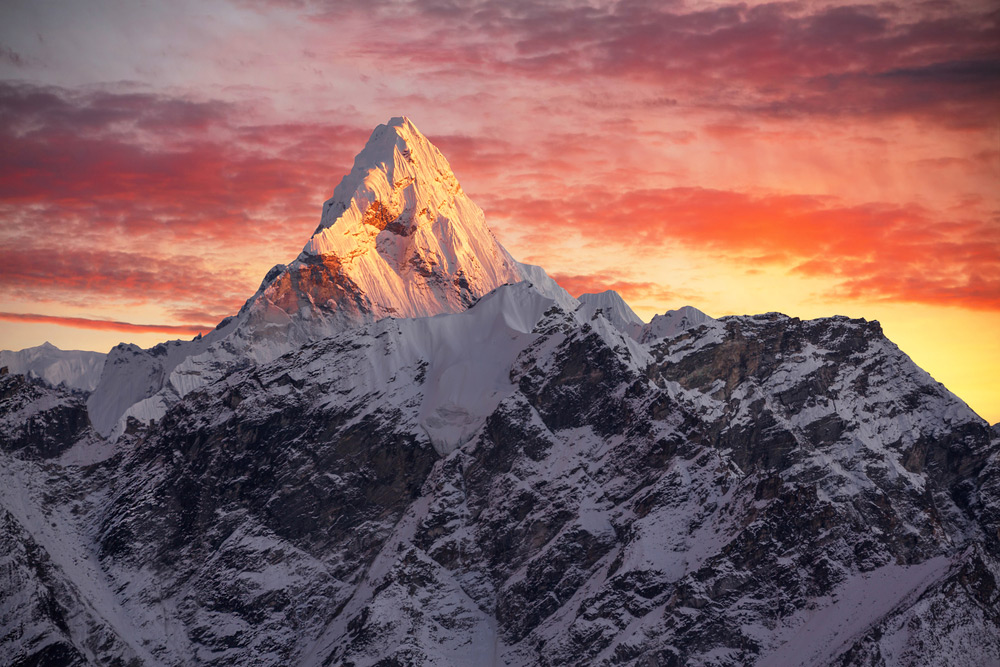
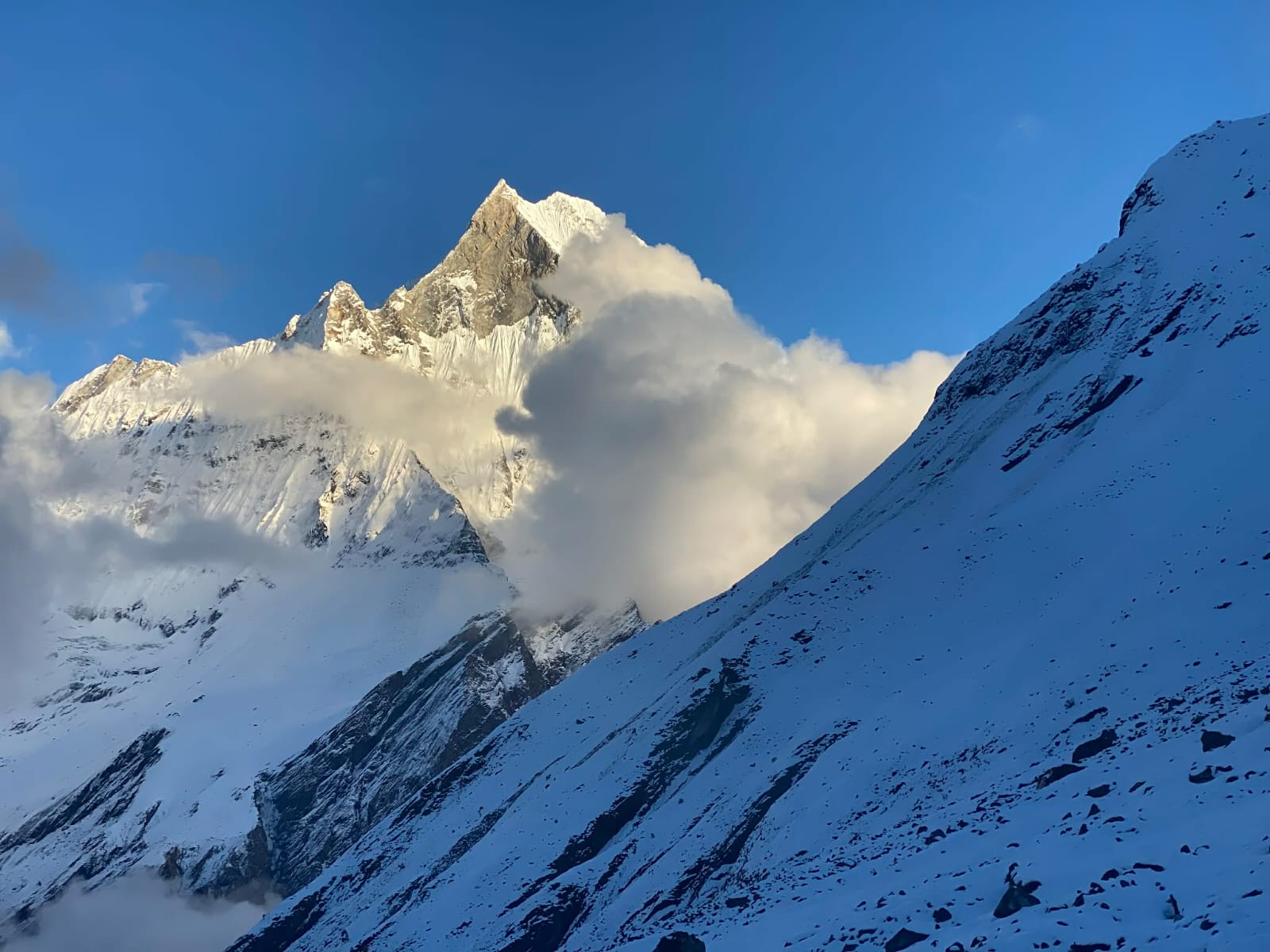
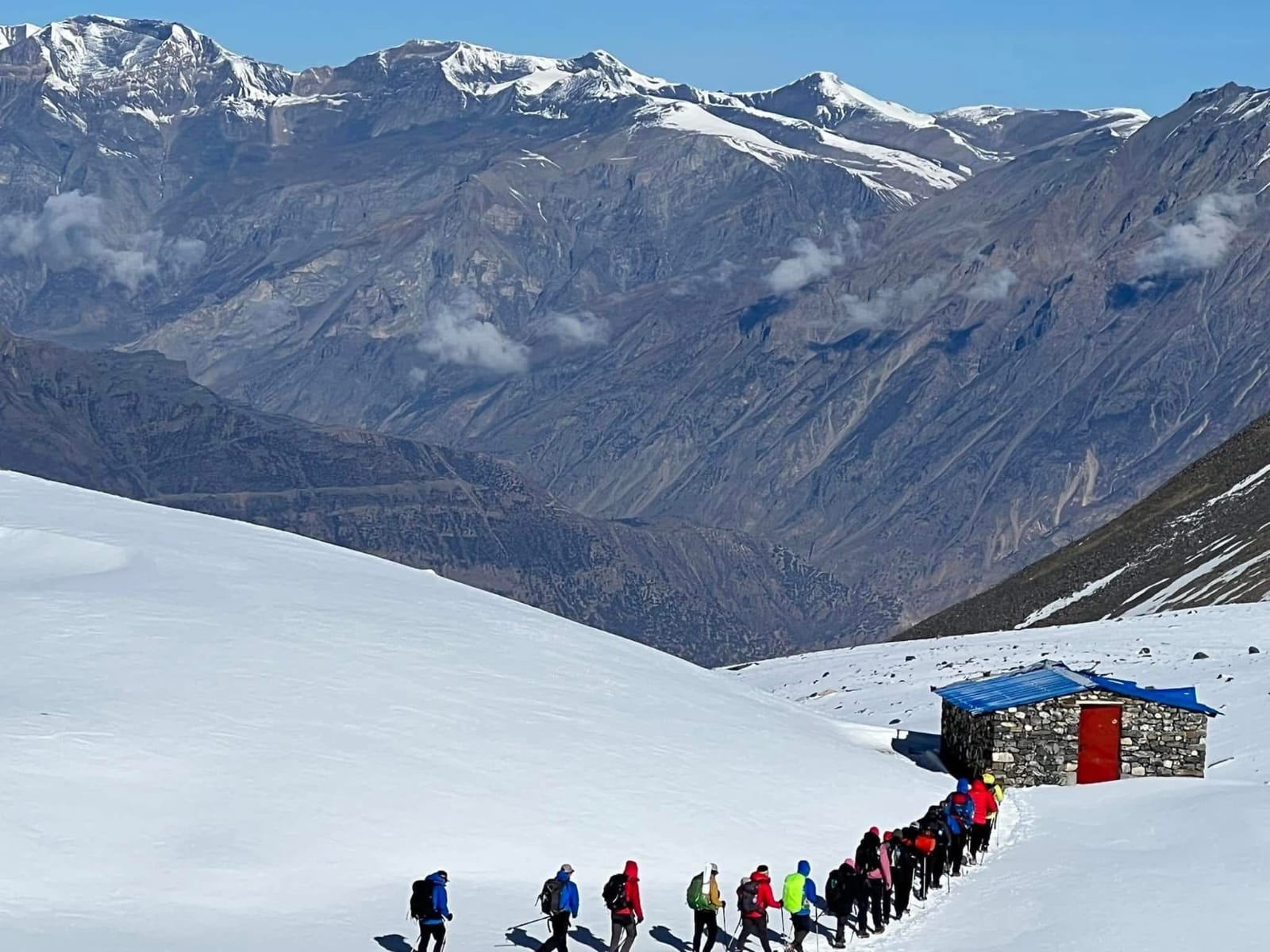
Trekking through the lush Arun Valley
Nepal Region

Arun Valley to Everest Trek

Difficulty Strenuous
Duration 23 Days
Max. Altitude 5,545m
Best Season Spring and Autumn
Lodging & Meals Tea House/Lodge & Camping

Arun Valley to Everest

The Arun Valley to Everest Trek is an epic, long-distance expedition that bridges two distinct geographical and cultural regions of Nepal. Starting in the deep, tropical Arun Valley, the lowest valley in the world, the trek slowly ascends through lush, humid jungles and isolated Rai and Limbu villages. You will cross the challenging Salpa Pass (3,350m) to enter the Solukhumbu region, where the climate and culture transition dramatically to alpine environments and Sherpa traditions. Eventually joining the main Everest trail, the trek finishes with the spectacular high-altitude climax of Everest Base Camp and Kala Patthar. This is an adventure for those who want a true, exhaustive Himalayan crossing.

Arun Valley to Everest Trek
Signature Experiences

Expedition Highlights

01

Starting the trek in the deep, biologically diverse Arun Valley.

02

Crossing the challenging and remote Salpa Pass (3,350m).

03

Witnessing a massive transition in climate, flora, and culture along the route.

04

Experiencing absolute solitude in the first half of the trek.

05

Culminating the journey at Everest Base Camp and Kala Patthar.

Trail Logs & Itinerary

1
Trekking Day Max Elev: 5,545m

Hotel transfer and extensive trek briefing.

2
Trekking Day Max Elev: 5,545m

Fly to the hot, low-altitude Arun Valley and begin walking along the Arun River. We embark on a scenic journey today, taking either a spectacular domestic flight or a drive along winding mountain roads, passing lush terraced fields, fast-flowing rivers, and traditional hillside villages. The changing scenery guides us closer to the starting point of our trek in the heart of the Himalayas.

3
Trekking Day Max Elev: 5,545m

Walk through tropical terrain, crossing rivers and passing thatched-roof villages.

4
Trekking Day Max Elev: 5,545m

Ascend steadily towards the base of the pass, entering cooler, terraced farmlands.

5
Trekking Day Max Elev: 5,545m

A steep climb to cross the Salpa pass, entering the Solukhumbu district, and descending to Sanam. Today is the ultimate challenge. We wake up under a freezing, starlit sky and begin our ascent, using ropes, crampons, and ice axes as we navigate steep snow and ice slopes. Reaching the summit rewards us with a breathtaking 360-degree panorama of the world's highest peaks, a moment of pure triumph.

6
Trekking Day Max Elev: 5,545m

Descend through dense rhododendron and oak forests to the large Rai village of Gudel.

7
Trekking Day Max Elev: 5,545m

Cross the Hongu Khola and climb steeply up the opposite side of the valley. Today is the ultimate challenge. We wake up under a freezing, starlit sky and begin our ascent, using ropes, crampons, and ice axes as we navigate steep snow and ice slopes. Reaching the summit rewards us with a breathtaking 360-degree panorama of the world's highest peaks, a moment of pure triumph.

8
Trekking Day Max Elev: 5,545m

Cross the Surke La pass and descend into the rugged terrain leading to Sibuje.

9
Trekking Day Max Elev: 5,545m

Trek through deep forests and enter the traditional Sherpa village of Pangum.

10
Trekking Day Max Elev: 5,545m

Cross the Pangkongma La pass, with distant views of the Khumbu peaks, and descend to Painya.

11
Trekking Day Max Elev: 5,545m

Join the main, bustling Everest Base Camp trail south of Lukla and continue to Phakding.

12
Trekking Day Max Elev: 5,545m

Enter Sagarmatha National Park and climb the steep hill to Namche Bazaar. Today is the ultimate challenge. We wake up under a freezing, starlit sky and begin our ascent, using ropes, crampons, and ice axes as we navigate steep snow and ice slopes. Reaching the summit rewards us with a breathtaking 360-degree panorama of the world's highest peaks, a moment of pure triumph.

13
Trekking Day Max Elev: 5,545m

Spend a dedicated day in Namche Bazaar for rest and altitude acclimatization. You can visit the Sherpa Museum or hike to the Everest View Hotel.

14
Trekking Day Max Elev: 5,545m

Trek along scenic ridges and through forest trails to reach the beautiful village of Tengboche, home to the region's largest Buddhist monastery.

15
Trekking Day Max Elev: 5,545m

Ascend above the tree line into the high alpine valley of Dingboche.

16
Trekking Day Max Elev: 5,545m

A second acclimatization day with a high-altitude hike.

17
Trekking Day Max Elev: 5,545m

Cross the Thukla pass and follow the Khumbu glacier moraine.

18
Trekking Day Max Elev: 5,545m

Reach Everest Base Camp and return to Gorak Shep to sleep.

19
Trekking Day Max Elev: 5,545m

Early morning climb for Everest views, then a long descent. Today is the ultimate challenge. We wake up under a freezing, starlit sky and begin our ascent, using ropes, crampons, and ice axes as we navigate steep snow and ice slopes. Reaching the summit rewards us with a breathtaking 360-degree panorama of the world's highest peaks, a moment of pure triumph.

20
Trekking Day Max Elev: 5,545m

Retrace your steps down the valley, descending back to Namche Bazaar for a comfortable overnight stay.

21
Trekking Day Max Elev: 5,545m

The final day of walking back to the airstrip.

22
Trekking Day Max Elev: 5,545m

Morning mountain flight to Kathmandu. We embark on a scenic journey today, taking either a spectacular domestic flight or a drive along winding mountain roads, passing lush terraced fields, fast-flowing rivers, and traditional hillside villages. The changing scenery guides us closer to the starting point of our trek in the heart of the Himalayas.

23
Trekking Day Max Elev: 5,545m

Transfer to Tribhuvan International Airport in Kathmandu for your flight home.

Inclusions

  • Airport pick-up and drop-off in a private vehicle.
  • Standard teahouse/lodge accommodation during the trek.
  • All meals (Breakfast, Lunch, Dinner) during the trek.
  • An experienced, English-speaking, and government-licensed trekking guide.
  • Porter service (1 porter for every 2 trekkers).
  • All necessary paperwork and trekking permits (TIMS, National Park Fees).
  • A comprehensive medical kit carried by the guide.
  • Farewell dinner in Kathmandu to celebrate the successful trek.

Exclusions

  • International flight airfare.
  • Nepal entry visa fee (obtainable on arrival at Kathmandu airport).
  • Travel and rescue insurance (mandatory).
  • Personal expenses (phone calls, laundry, bar bills, battery recharge, extra porters).
  • Tips for guide and porters (customary but not mandatory).

Frequently Asked Questions

You need two main permits: the Khumbu Pasang Lhamu Rural Municipality Permit and the Sagarmatha National Park Entry Permit. Both are arranged on the trail by our guide, and the fees are included in your package.
Lukla Airport operates on visual flight rules, meaning flights are regularly delayed or cancelled due to fog or high winds. We include buffer days in our itineraries. In case of extended delays, we can coordinate helicopter flights (subject to availability and extra charges, often covered by travel insurance).
For standard Everest Base Camp treks, the highest point is Kala Patthar at 5,545 meters (18,192 ft), which offers the best views of Mt. Everest, Lhotse, and Nuptse. Acclimatization is key to enjoying this trek safely.
Teahouses in the Everest region are relatively well-established. Most offer shared rooms, heated communal dining areas, and menus featuring traditional Dal Bhat, soups, noodles, and pancakes. Hot showers and device charging are available for a small fee.
Yes, cellular data (Ncell/NTC) works up to Tengboche/Dingboche. Beyond that, you can purchase prepaid Wi-Fi cards from 'Everest Link' which work at most teahouses along the trail, though speeds can vary.
While Namche Bazaar has ATMs, they are frequently out of cash. We recommend carrying around 2,000 to 3,000 Nepalese Rupees (approx. $15–$25 USD) per day in cash to pay for extras like Wi-Fi, battery charging, hot showers, snacks, and tipping guides/porters.
Absolutely. Your travel insurance policy must cover trekking up to 6,000 meters and include emergency helicopter evacuation. Evacuations from the remote Khumbu region can cost upwards of $5,000 USD.